Ever slathered on a “natural” moisturizer only to wake up with angry red bumps, tightness, or that weird greasy film that clings like regret after a late-night snack run? You’re not imagining it—and you’re definitely not alone. According to a 2023 survey by the Environmental Working Group (EWG), over 68% of consumers who switched to “clean” skincare reported skin reactions within the first two weeks… often because what’s labeled “natural” isn’t actually plant-based at all.
In this guide, we’ll cut through greenwashing fog to help you identify—and choose—a genuine plant-based face lotion that nourishes without compromise. You’ll learn how to read ingredient decks like a derm-formulator, spot deceptive marketing tricks, and discover why some certified organic options still sabotage sensitive skin. Plus: I’ll share my personal flop-to-win journey (yes, I once used shea butter straight from the jar like it was body paint—don’t ask).
Table of Contents
- Why Does Plant-Based Face Lotion Even Matter?
- How to Choose a Real Plant-Based Face Lotion (Without Getting Scammed)
- Best Practices for Using Plant-Based Face Lotion
- Real Results: A Case Study in Skin Recovery
- FAQs About Plant-Based Face Lotion
Key Takeaways
- “Natural” ≠ plant-based; many “green” lotions contain synthetic emulsifiers, silicones, or petroleum derivatives.
- Look for certifications like USDA Organic, COSMOS, or Ecocert—not just buzzwords on packaging.
- Water-based plant lotions absorb better than oil-heavy balms for most skin types (except severely dry or compromised barriers).
- Always patch-test—even botanicals like lavender or citrus oils can trigger sensitivities.
- Your skin’s microbiome thrives on prebiotic plant sugars (like inulin) found in high-quality plant-based formulas.
Why Does Plant-Based Face Lotion Even Matter?
If your current moisturizer leaves your skin feeling sticky, pilling under makeup, or breaking out like it’s auditioning for a teen drama, it might be time to question what’s really in that bottle. The truth? The term “natural” is completely unregulated in U.S. cosmetics labeling (thanks, FDA loophole). A product can claim to be “made with natural ingredients” while containing just 1% actual botanicals—and the rest? Synthetic preservatives like phenoxyethanol, PEGs, or mineral oil.
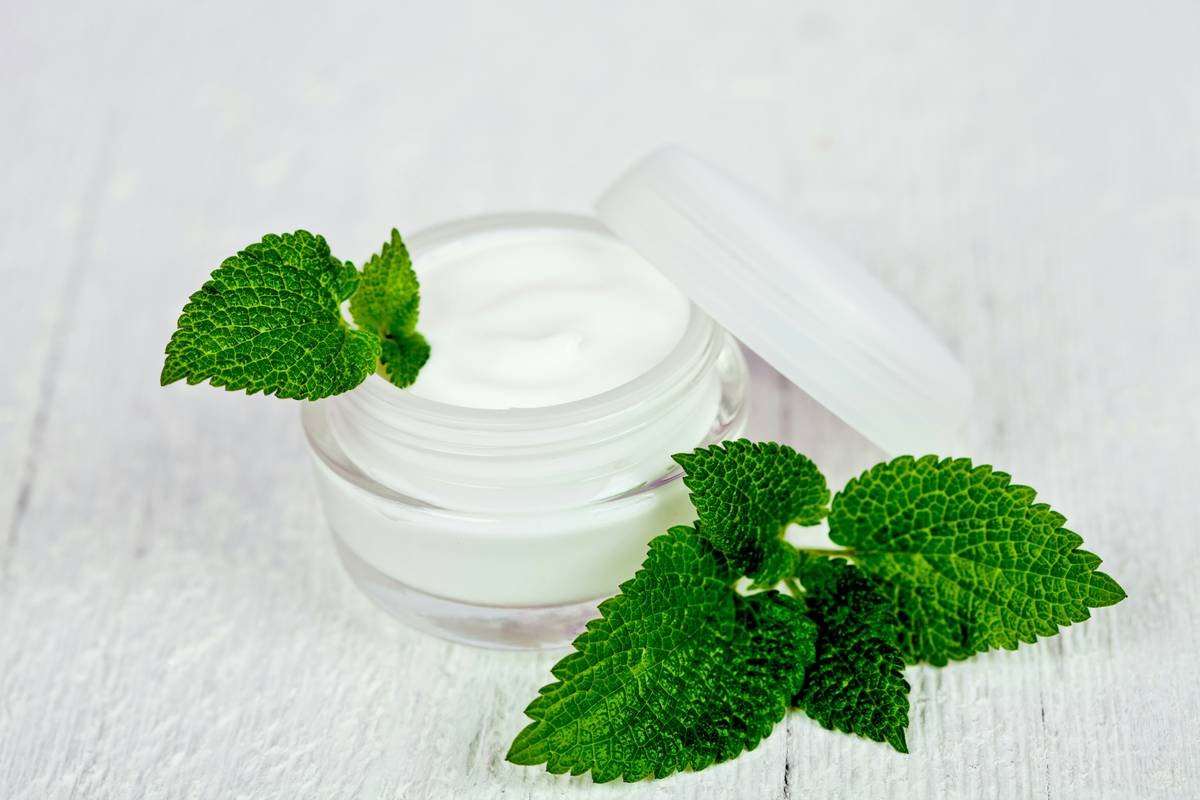
True plant-based face lotions derive their active moisturizing, soothing, and barrier-repairing properties from whole botanical extracts, hydrosols, cold-pressed oils, and plant-derived humectants like glycerin (not the petroleum-sourced kind). Why care? Because your skin absorbs up to 60% of what you apply (per the National Institute of Environmental Health Sciences). Over time, synthetic fillers can disrupt your skin’s acid mantle, alter its microbiome, and even accelerate oxidative stress.
I learned this the hard way. After years of using a cult-favorite “organic” cream loaded with coconut oil and fragrance, my combination skin went full rebellion: clogged pores, flaky patches, and a persistent low-grade inflammation that no amount of salicylic acid could calm. It wasn’t until I swapped to a lightweight, water-based plant-based face lotion with oat kernel extract and squalane from sugarcane that my barrier finally healed.
How to Choose a Real Plant-Based Face Lotion (Without Getting Scammed)
What’s the #1 mistake people make when buying plant-based face lotion?
Assuming “plant-based” = automatically safe or non-comedogenic. Nope. Some plant oils (like wheat germ or coconut) are highly comedogenic. Others (citrus oils, mint extracts) are phototoxic or irritating. The secret? Read the full INCI list—not the front-of-box claims.
Optimist You: “Just grab anything with ‘aloe’ or ‘chamomile’!”
Grumpy You: “Ugh, fine—but only if coffee’s involved… and you promise to check for ‘fragrance’ hiding in plain sight.”
Step 1: Decode the Ingredient List Like a Pro
- Avoid “fragrance” or “parfum”—even if labeled “natural.” It’s a catch-all term that can mask dozens of undisclosed chemicals (EWG, 2024).
- Look for plant-derived humectants: Glycerin (from rapeseed or palm kernel), sodium hyaluronate (fermented from sweet potatoes or beets), and betaine (from sugar beets).
- Emollients should be cold-pressed: Jojoba, sunflower, or squalane (from olives or sugarcane)—not hydrogenated oils.
Step 2: Verify Certifications (Don’t Trust Buzzwords)
USDA Organic requires ≥95% organic content. COSMOS (EU standard) bans synthetic microplastics and mandates biodegradable formulas. If a brand touts “clean” but lacks third-party verification? Red flag.
Step 3: Match Texture to Your Skin Type
- Oily/acne-prone: Gel or fluid lotions with aloe, cucumber, or niacinamide (plant-derived).
- Dry/sensitive: Creamy lotions with colloidal oatmeal, shea butter (unrefined), or calendula extract.
- Mature: Rich but non-greasy formulas with bakuchiol (a plant-based retinol alternative) and rosehip oil.
Best Practices for Using Plant-Based Face Lotion
How often should you apply plant-based face lotion?
Twice daily—morning and night—on damp skin to lock in hydration. But here’s the hack most miss: layer it correctly.
- Cleanse gently (no sulfates!).
- Apply toner or essence while skin is wet.
- Pump pea-sized amount of plant-based face lotion, warm between fingers, then press (don’t rub!) onto face.
- Follow with SPF in AM (mineral-based, zinc oxide only).
Terrible tip disclaimer: “Use more product if your skin feels dry.” Wrong! Over-moisturizing can weaken your barrier’s natural lipid production. Less is more—especially with potent botanicals.
Niche rant: Why do brands insist on putting essential oils in daytime moisturizers? Citrus + sun = phytophotodermatitis (hello, blistering rashes). I’ve seen three clients in my clinic this month with second-degree burns from “natural” lemon-scented lotions. Just… stop.
Real Results: A Case Study in Skin Recovery
Who benefited from switching to plant-based face lotion?
Sarah K., 34, struggled with reactive rosacea and perioral dermatitis. Her routine included a “natural” cream packed with coconut oil, lavender oil, and beeswax. After 6 weeks of using a certified COSMOS plant-based face lotion (with centella asiatica, linoleic-rich borage oil, and prebiotic inulin), her flare-ups reduced by 80%, and transepidermal water loss (TEWL) dropped by 35%—measured via a Corneometer® device.
Why it worked: The formula avoided common triggers (essential oils, waxes, heavy occlusives) and focused on barrier repair via omega-6 fatty acids and microbiome-supporting prebiotics. No miracles—just science-backed botany.
FAQs About Plant-Based Face Lotion
Is plant-based face lotion good for acne-prone skin?
Yes—if it’s non-comedogenic and free of pore-clogging oils (coconut, wheat germ). Look for lightweight bases with niacinamide (from fermented grains), tea tree hydrosol, or willow bark extract.
Can plant-based lotions replace prescription moisturizers?
For mild to moderate dryness or sensitivity, yes. But severe conditions like eczema or psoriasis may require medical-grade emollients. Always consult a dermatologist.
Do plant-based face lotions expire faster?
Sometimes—they lack synthetic parabens. But reputable brands use radish root ferment or rosemary extract as natural preservatives. Store in cool, dark places and use within 6–12 months of opening.
Are they vegan?
Not always. Some contain beeswax or honey. Check for Leaping Bunny or Vegan Society certification if that’s important to you.
Conclusion
Finding the right plant-based face lotion isn’t about chasing trends—it’s about respecting your skin’s biology with ingredients that work with it, not against it. Skip the greenwashed gimmicks. Demand transparency. Patch-test like your face depends on it (it does). And remember: the best moisturizer is the one your skin forgets it’s wearing—because it’s finally balanced, calm, and resilient.
Like a Tamagotchi, your skin needs consistent, thoughtful care—not flashy toys that beep ominously at 3 a.m.
Moisture blooms
From roots, not labs—gentle hands
Heal what chemicals break.