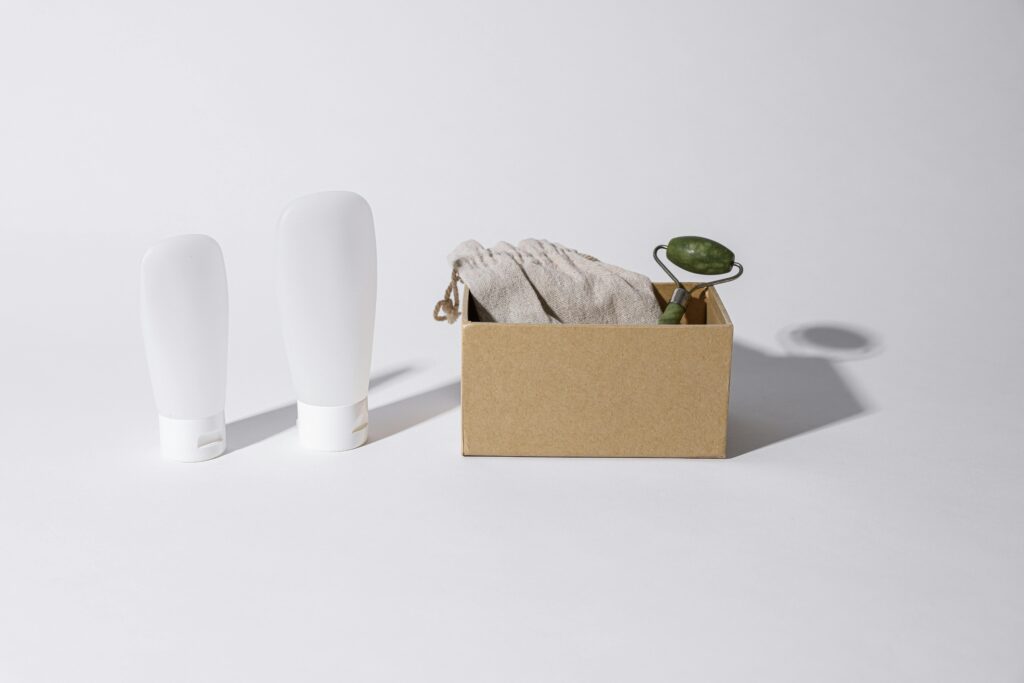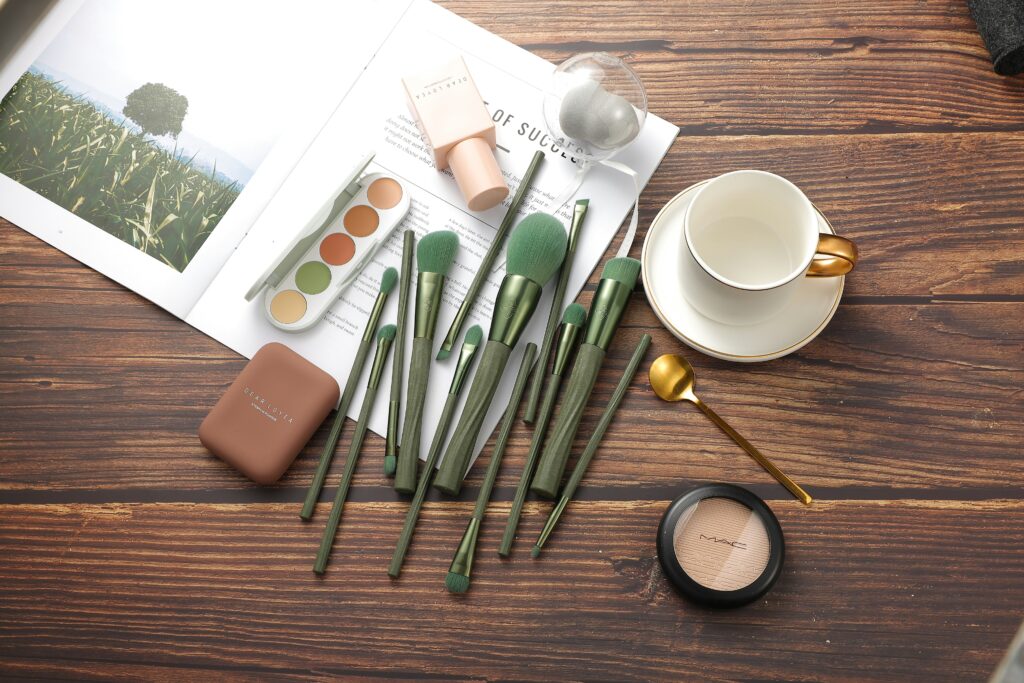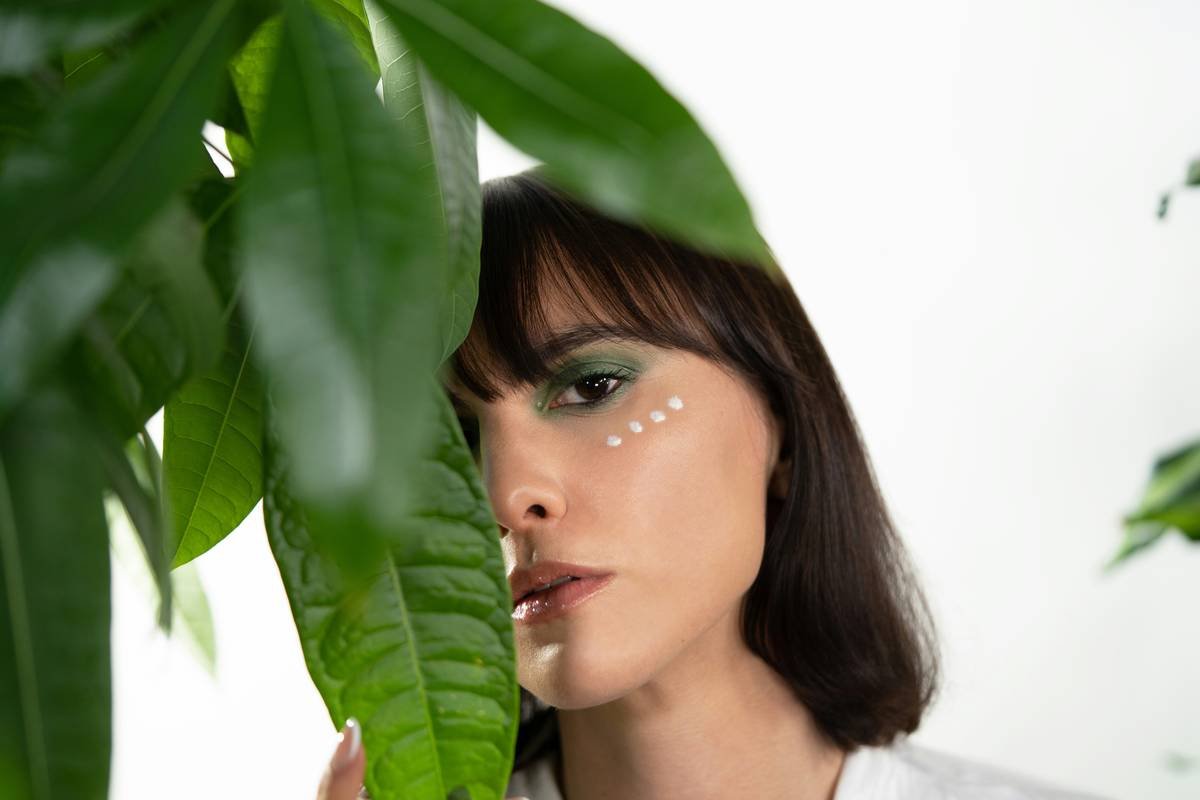
Ever tried a moisturizer that promised the moon but left your skin feeling like the Sahara? Yeah, us too. And what about those eco-guilt pangs when you toss yet another plastic-laden skincare product into the trash? What if we told you there’s a solution that hydrates your skin *and* saves the planet? Meet the environmentally safe balm—your ticket to guilt-free, glowing skin.
In this post, we’ll break down why organic moisturizers are having their moment, dive deep into what makes an environmentally safe balm special, and give you actionable tips to find the perfect one for your skin type. Plus, we’ll share some real-world examples and dispel common myths along the way. Let’s get into it!
Table of Contents
- The Problem with Conventional Moisturizers
- How to Choose the Perfect Environmentally Safe Balm
- 5 Tips for Maximizing Your Organic Moisturizer Game
- Real-Life Success Stories: The Power of Natural Balms
- FAQs About Environmentally Safe Balms
Key Takeaways
- Conventional moisturizers often contain harmful chemicals and unsustainable packaging.
- An environmentally safe balm uses organic ingredients and eco-friendly materials.
- Choosing the right balm requires understanding your skin type and reading ingredient labels.
- Natural balms aren’t just better for the planet—they’re better for your skin, too.
What’s Wrong with My Current Moisturizer?
I once bought a fancy jar of “miracle cream” from a department store, only to realize two weeks later that my skin was breaking out worse than ever. Spoiler: It had synthetic fragrances, parabens, and enough silicones to pave a highway. Yikes.
The truth is, many conventional moisturizers are packed with questionable ingredients. Not to mention their environmental impact—plastic tubes, non-recyclable caps, and manufacturing processes that pump carbon into the atmosphere faster than you can say “self-care.”
Optimist You: “But isn’t beauty supposed to make me feel good?”
Grumpy You: “Yeah, until you realize Mother Nature’s over here judging us all.”
How to Pick the Perfect Environmentally Safe Balm
Step 1: Know Your Skin Type
Dry as the desert? Oily like a greasy pizza? Combination territory? Identifying your skin type is step numero uno. This will help you narrow down which organic moisturizers work best without clogging pores or exacerbating dryness.
Step 2: Read the Labels Carefully
Here’s where things get fun (or rage-inducing). Avoid anything with words like “paraben,” “phthalate,” or “synthetic fragrance.” Instead, look for hero ingredients such as shea butter, cocoa butter, and aloe vera.
Step 3: Check Packaging Sustainability
You wouldn’t buy a Ferrari with bald tires, so don’t pick a stellar balm housed in wasteful packaging. Look for brands using glass jars, biodegradable tubes, or refillable options.
Step 4: Research the Brand’s Ethics
Are they cruelty-free? Do they source fair-trade ingredients? Supporting ethical companies feels as satisfying as finally mastering winged eyeliner.
Step 5: Test Before You Commit
Avoid falling in love immediately. Patch test first, because even natural products can irritate sensitive skin—it’s science, not betrayal.
5 Tips for Getting the Most Out of Your Organic Moisturizer
- Apply on damp skin: Lock in hydration by applying your balm right after cleansing while your face is still slightly damp.
- Layer wisely: Use serums or toners before your moisturizer to enhance absorption.
- Don’t overdo it: A pea-sized amount usually does the trick. More isn’t always merrier.
- Store properly: Keep your balm away from sunlight and heat to maintain its potency.
- Rant alert: Stop hoarding expired creams! If you haven’t used it in six months, toss it responsibly.
Real People, Real Results: Stories That Inspire
Meet Sarah, a busy mom who swapped her drugstore moisturizer for an environmentally safe balm. Within weeks, her chronic redness disappeared, and her glow returned. She swears by rosehip oil blends now.
Then there’s Alex, a skincare minimalist who cut his routine down to three steps: cleanse, tone, and apply his trusty beeswax-based balm. “No drama, no waste,” he says.
These stories prove that switching to natural doesn’t mean sacrificing results—it means upgrading them.
FAQs About Environmentally Safe Balms
Are environmentally safe balms more expensive?
Not necessarily! While premium options exist, many affordable brands also prioritize sustainability.
Can I use natural balms on sensitive skin?
Yes, but always patch test first. Even “natural” doesn’t guarantee zero irritation.
Do organic moisturizers expire faster?
Sometimes, since they lack preservatives. Always check expiration dates and store correctly.
Where can I find eco-friendly alternatives?
Look at online marketplaces like Etsy, zero-waste stores, or directly on brand websites.
Terrible Tip Alert:
Ignore anyone telling you to DIY every single product. Homemade concoctions sound cute until mold starts growing in your bathroom cabinet. Leave it to the pros.
Conclusion
Finding the perfect environmentally safe balm might feel overwhelming at first, but armed with these tips, you’re ready to conquer the world—one sustainable step at a time. Remember, great skin doesn’t have to come at the planet’s expense.
Like planting a tree, small changes grow big results. Now go forth, slather responsibly, and save the Earth—one luscious swipe at a time.
P.S. Here’s your bonus haiku:
Green skincare whispers,
Soft hands cradle the earth—
Hope in every jar.