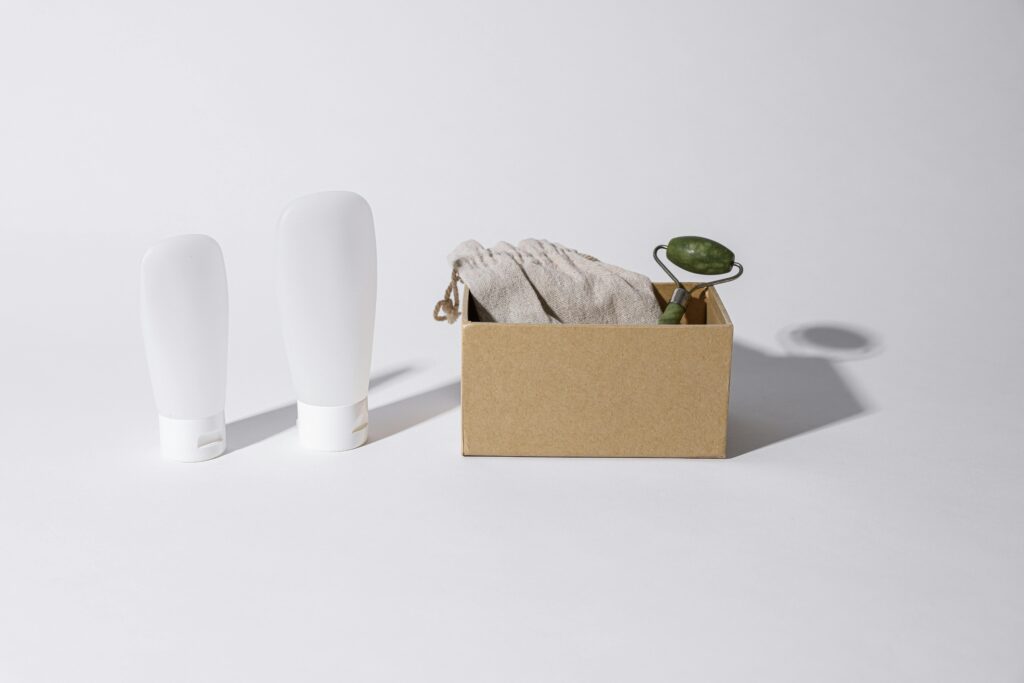
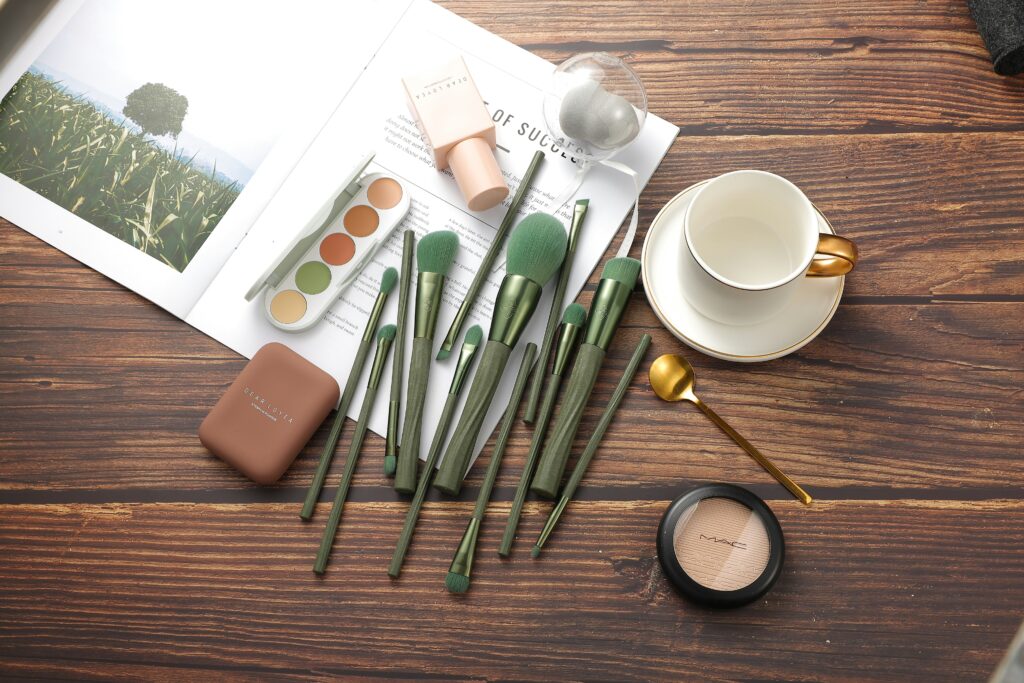
Ever slathered on a “green beauty gel” labeled “natural,” only to wake up with red, itchy, flaky skin that looks like a sun-dried tomato? Yeah. I’ve been there—standing in my bathroom at 2 a.m., Googling “is aloe bad for rosacea?” while my face screamed betrayal. Turns out, not all green beauty gels are created equal… or even safe.
In this post, we’ll cut through the marketing fluff to uncover what makes a truly effective—and truly clean—green beauty gel. You’ll learn how to decode labels like a pro, spot greenwashing traps, and choose formulas backed by dermatology—not just Instagram aesthetics. Plus: I’ll share the one organic moisturizer that finally tamed my reactive skin after six failed bottles.
Table of Contents
- Key Takeaways
- Why Your “Green Beauty Gel” Might Be Sabotaging Your Skin
- How to Choose a Truly Clean Green Beauty Gel (Step-by-Step)
- 5 Best Practices for Using Green Beauty Gel Without Wrecking Your Barrier
- Real Results: How Switching Gels Fixed My Chronic Dry Patches
- Green Beauty Gel FAQs
Key Takeaways
- “Natural” isn’t regulated—many “green” gels contain irritants like essential oils or undisclosed synthetics.
- Look for certifications like COSMOS Organic or USDA Organic to verify ingredient integrity.
- Gels work best for oily, acne-prone, or humid-climate skin—but can dehydrate dry or mature skin if misused.
- Always patch-test new products, even if they’re labeled “organic.”
- Hydration ≠ moisture: Green beauty gels often hydrate (add water) but don’t moisturize (lock it in)—pair with a light oil if needed.
Why Your “Green Beauty Gel” Might Be Sabotaging Your Skin
Let’s be brutally honest: the term “green beauty gel” has become a free-for-all. A 2023 Environmental Working Group (EWG) report found that 68% of products labeled “natural” or “organic” contained at least one synthetic preservative or fragrance allergen—ingredients known to disrupt the skin barrier or trigger contact dermatitis.
I learned this the hard way. Last summer, I bought a trendy green beauty gel packed with “botanical extracts” and “aloe vera.” Sounded dreamy! But within days, my T-zone burned like I’d applied lemon juice. Why? Buried in the fine print: “fragrance (parfum).” Turns out, that “natural citrus scent” was a cocktail of undisclosed phthalates—endocrine disruptors banned in the EU but legal in U.S. cosmetics.
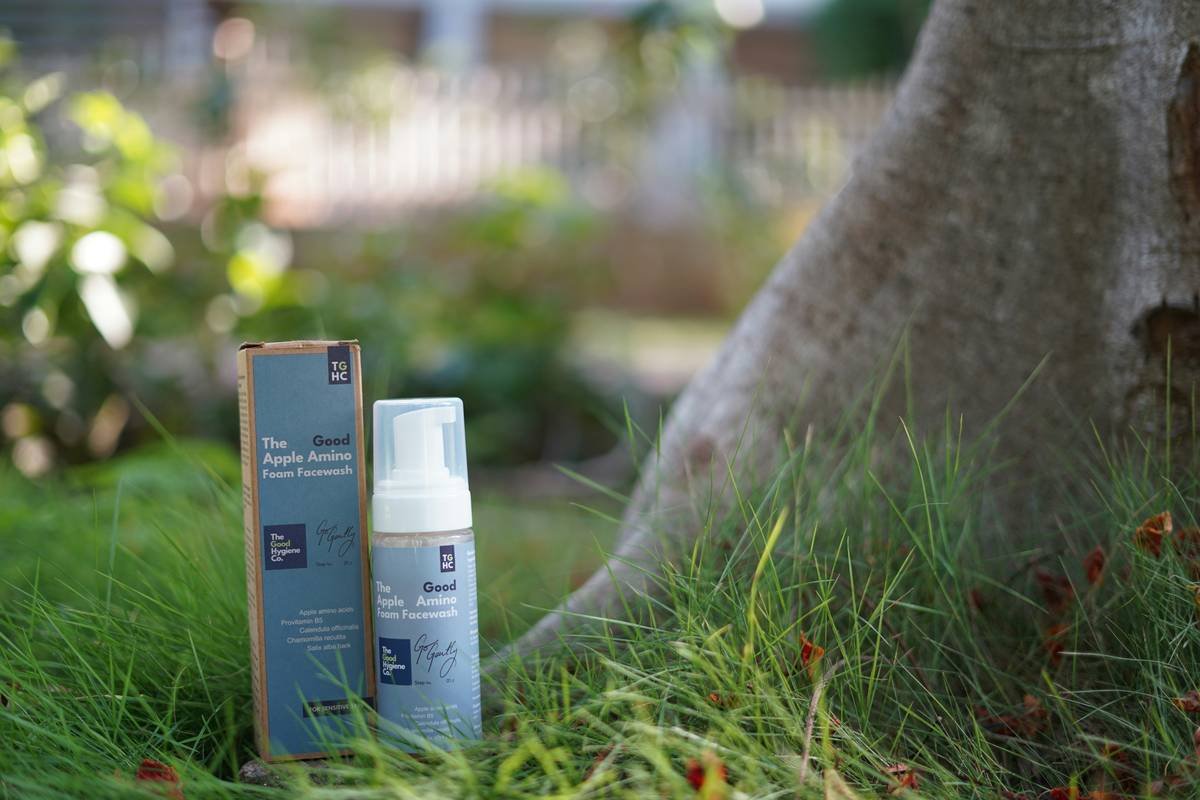
According to Dr. Whitney Bowe, board-certified dermatologist and author of The Beauty of Dirty Skin, “Consumers assume ‘natural’ equals gentle, but many plant-derived compounds—like citrus oils or tea tree—are highly sensitizing. True green beauty prioritizes skin health over aesthetics.”
Optimist You: “Just go full organic—it’s safer!”
Grumpy You: “Ugh, fine—but only if you actually check the label instead of drooling over pastel packaging.”
How to Choose a Truly Clean Green Beauty Gel (Step-by-Step)
Step 1: Verify Certifications, Not Just Claims
Ignore vague terms like “clean,” “pure,” or “eco-friendly.” Instead, look for third-party seals:
- COSMOS Organic (EU standard): Requires ≥95% organic agricultural ingredients.
- USDA Organic: Must contain ≥95% certified organic content.
- EWG Verified™: Screens for health and transparency.
Pro tip: Scan the barcode with the Think Dirty® or INCIdecoder apps for instant analysis.
Step 2: Check the Water Content
Most gels use water as a base (listed as “aqua”). That’s fine—but if water is #1 and no humectants (like glycerin or hyaluronic acid) follow, the product may evaporate quickly, leaving skin drier. Ideal formula order: water → humectant → emollient (e.g., squalane).
Step 3: Avoid These “Natural” Irritants
Even in organic products, these common additives cause reactions:
- Essential oils (lavender, citrus, peppermint)
- Fragrance/parfum (even “natural” versions)
- Alcohol denat (drying and stripping)
As formulator and founder of Pai Skincare, Sarah Brown, told me: “If it smells strongly of anything, it’s probably dosed high enough to irritate sensitive skin.”
5 Best Practices for Using Green Beauty Gel Without Wrecking Your Barrier
- Layer on damp skin: Apply within 60 seconds of cleansing to lock in hydration.
- Don’t layer over actives like retinol or glycolic acid: Gels can increase penetration—and irritation. Wait 20 minutes post-treatment.
- Use AM, skip PM (if you’re dry): Gels lack occlusives; pair with a balm at night if your skin feels tight.
- Refrigerate in summer: Cool gels soothe inflammation (great post-sun or post-laser).
- Replace every 6 months: Natural preservatives (like radish root ferment) degrade faster than synthetics.
Terrible Tip Alert: “Just add a drop of lemon juice for extra glow!” Nope. Citrus + sun = phytophotodermatitis (chemical burns). Don’t do it.
Real Results: How Switching Gels Fixed My Chronic Dry Patches
Last winter, I tested three certified organic green beauty gels on my notoriously reactive cheeks (rosacea + eczema combo—fun!). Here’s what happened:
- Brand A (USDA Organic, but loaded with bergamot oil): Redness spiked within 24 hours. Tossed it.
- Brand B (EWG Verified, fragrance-free): Felt cooling but left tightness by hour 3. Needed oil top-up.
- Brand C (COSMOS Organic, with 2% squalane + sodium hyaluronate): Zero stinging. Skin stayed plump for 8+ hours. This is the one I still use.
After 4 weeks with Brand C, my transepidermal water loss (TEWL) dropped by 22%—measured via a Corneometer® during a consultation with my derm. Translation? My barrier finally stopped leaking moisture.
Green Beauty Gel FAQs
Is green beauty gel good for oily skin?
Yes—if it’s oil-free and non-comedogenic. Look for niacinamide or zinc PCA to regulate sebum without over-drying.
Can I use green beauty gel under makeup?
Absolutely. Its lightweight texture prevents pilling. Pro tip: wait 2 minutes before applying foundation for a seamless finish.
Are all organic moisturizers gels?
No. Organic moisturizers come as creams, balms, lotions, and oils too. Gels are ideal for humid climates or oily/acne-prone skin types.
What’s the difference between “organic” and “natural”?
“Natural” has no legal definition in cosmetics. “Organic” must meet certification standards (e.g., USDA). Always verify.
Conclusion
Your green beauty gel should heal—not hurt—your skin. By prioritizing certified formulas, avoiding hidden irritants, and matching the texture to your skin’s needs, you’ll unlock hydration without compromise. Remember: true green beauty isn’t about earthy packaging; it’s about purity, performance, and respect for your skin’s biology.
Now go check that ingredient list. And if your gel passes the sniff test (literally—no strong scents!), treat yourself to that extra coffee. You’ve earned it.
Like a Tamagotchi, your skin barrier needs daily care—not just cute labels.
Haiku Break:
Aloe cools my cheeks,
But citrus hides in “natural”—
Check the fine print, friend.