Ever slathered on a moisturizer only to feel like your skin was suffocating under a layer of grease? You’re not alone.
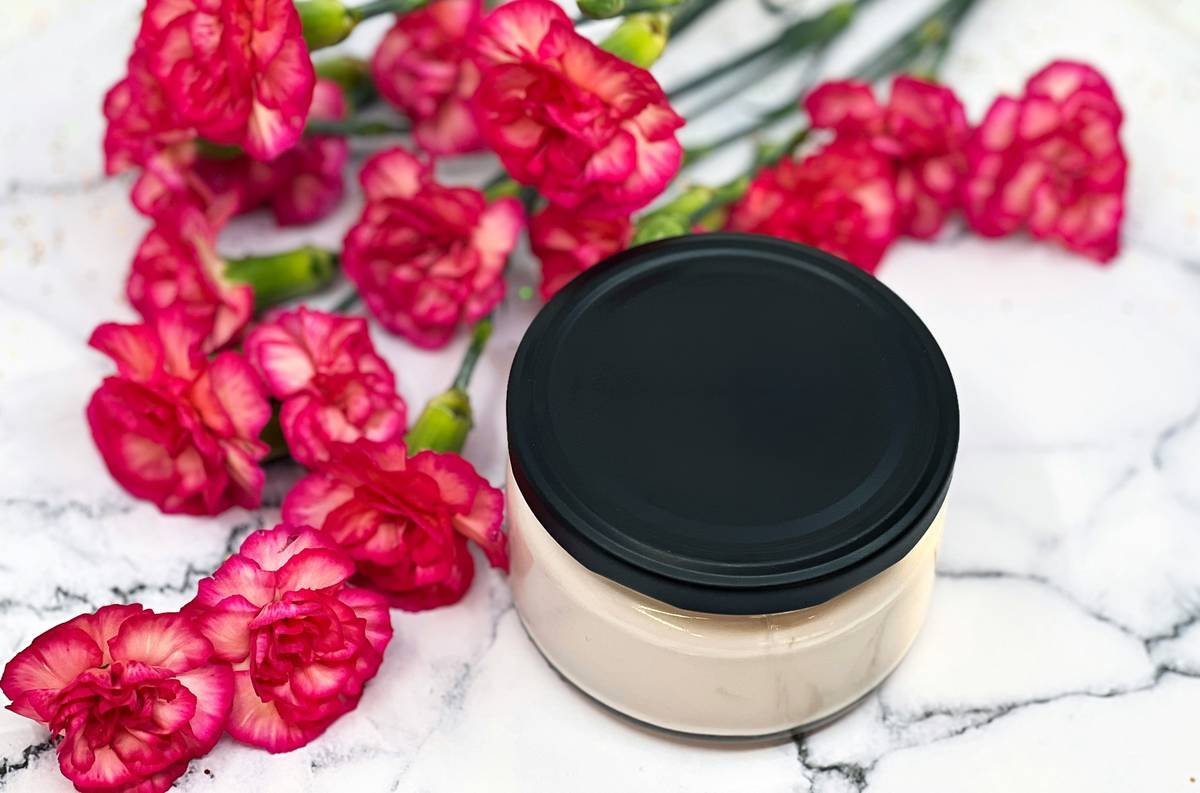
If you’re diving into the world of organic skincare, you’ve probably heard whispers about plant-based face balms. These little jars of goodness are making waves, and for good reason. They’re clean, nourishing, and kind to both your skin and the planet. But what makes them so special, and how do you find the perfect one for your skin type?
In this article, we’ll uncover the magic of plant-based face balms, guide you through choosing the right one, share application tips, spotlight standout products, and answer FAQs to help you glow naturally. Let’s get into it!
Table of Contents
- Why Your Skin Needs a Plant-Based Face Balm
- How to Choose the Perfect Plant-Based Face Balm
- Pro Tips for Using a Plant-Based Face Balm
- Top Organic Moisturizers with Plant-Based Goodness
- FAQs About Plant-Based Face Balms
Key Takeaways
- A plant-based face balm hydrates deeply without clogging pores.
- Ingredients like shea butter, jojoba oil, and calendula are skincare superheroes.
- Choosing the wrong balm can lead to breakouts—so patch test first!
- Minimalism rules: Start with a pea-sized amount for best results.
Why Your Skin Needs a Plant-Based Face Balm
Petroleum jelly has reigned supreme as a go-to moisturizer for decades—but at what cost? Many commercial moisturizers contain synthetic chemicals that may irritate sensitive skin or sit heavily on the surface. Enter: plant-based face balms. Made from natural ingredients sourced directly from Mother Nature, these balms provide hydration while respecting your skin’s natural barrier function.
I’ll admit, I used to think natural skincare was just marketing fluff until I tried an organic balm infused with calendula extract. It calmed my angry winter-red cheeks in ONE night. *Chef’s kiss.* Suddenly, I understood why people rave about going au naturel.
How to Choose the Perfect Plant-Based Face Balm
“Optimist You:” “There are SO many options out there!”
Grumpy Me: “Yes, which means endless decision fatigue unless you know what to look for.”
Here’s how to cut through the noise:
Step 1: Check the Ingredients List
Always opt for transparency. A quality plant-based face balm should list recognizable, pronounceable ingredients like:
- Shea Butter: Ultra-moisturizing and anti-inflammatory.
- Jojoba Oil: Mimics your skin’s natural oils for seamless absorption.
- Calendula Extract: Soothes irritation and fights redness.
Step 2: Consider Your Skin Type
Dry skin? Look for rich butters like cocoa or mango. Oily skin? Opt for lighter bases like aloe vera gel blends. And don’t forget about combo types—a medium-weight balm often does the trick.
Step 3: Avoid Fillers and Fragrance
This is non-negotiable. Artificial fragrances and preservatives can wreak havoc on even the toughest skin. Stick to labels that scream “clean beauty.” Trust me; your pores will thank you.
Rant Alert:
Why do some brands slap “organic” on their packaging when half the ingredients sound like they belong in a chemistry lab?! If it doesn’t have certifications like USDA Organic or COSMOS, run far away.
Pro Tips for Using a Plant-Based Face Balm
You’ve got the product—now what? Let’s talk technique.
Tip #1: Less Is More
Start small. Seriously, a little goes a long way. Overdoing it won’t make your skin any happier—it might just glisten suspiciously by noon.
Tip #2: Warm It Up
Rub the balm between your fingertips before pressing it onto your face. This ensures an even application and melts the product into a silky texture.
Tip #3: Use After Serums, NOT Before
Let science guide you here. Balms lock in moisture, so apply serums first if you use them. Skipping this step? Well, let’s just say you’re wasting serum money.
Terrible Tip Disclaimer:
I once thought rubbing face balm all over would save time. Spoiler: It led to an unfortunate breakout behind my ears. Learn from my mistakes: Stick to targeted areas.
Top Organic Moisturizers with Plant-Based Goodness
Curious where to start? Here are three stellar picks for glowing skin:
- Herbivore Botanicals Lapis Oil + Blue Tansy Face Balm: Calming blue tansy meets luxurious hydration. Ideal for stressed-out skin.
- Olio E Osso No. 4 Multi-Balm: Versatile and lightweight, this gem doubles as lip balm. Hello, minimalist dreams!
- Bios Apothecary Healing Balm: Packed with chamomile and lavender, its soothing properties are unmatched.
FAQs About Plant-Based Face Balms
Q1: Can I use a plant-based face balm every day?
Absolutely! Just ensure it suits your skin type and routine. Consistency = happy skin.
Q2: Are plant-based face balms safe for sensitive skin?
Generally yes, but always patch test first. Natural doesn’t always mean hypoallergenic.
Q3: Will a face balm clog my pores?
Not if it’s formulated correctly. Non-comedogenic options are key for acne-prone skin.
Q4: Do I need SPF in my face balm?
No, focus on separate sun protection. Balms excel at repairing—not shielding—from UV rays.
Conclusion
Glowing skin isn’t a mystery—it’s about finding clean, effective solutions like plant-based face balms. From decoding ingredient lists to mastering application techniques, we’ve covered the essentials to help you transition to organic bliss. So grab that jar, warm it up, and let nature work its magic.
Like a Tamagotchi, your skincare needs daily care—but unlike those ’90s pets, your complexion rewards patience with lasting radiance.